
How Much Does a Vet Visit Cost in the US in 2026?
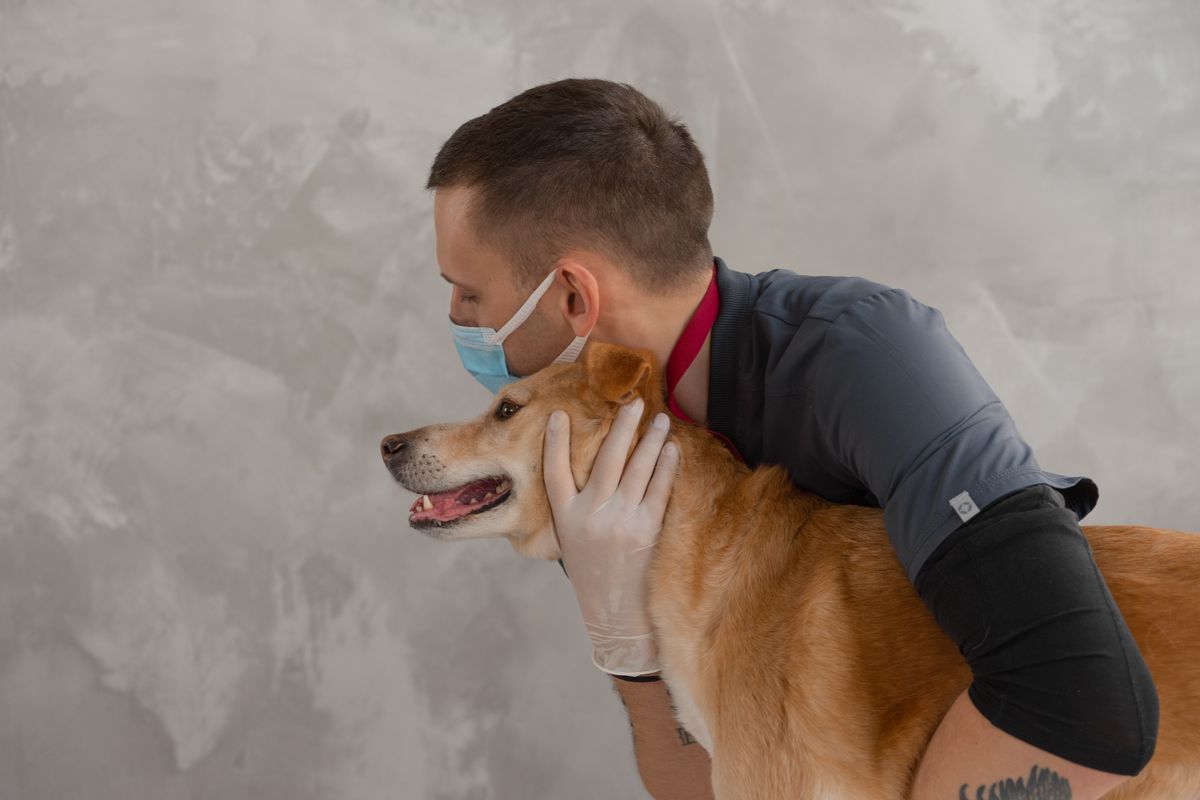
A veterinarian hugging a happy dog at a vet clinic. Photo: Pexels.
If you have ever opened a vet bill and felt your stomach drop, you are not alone. Vet care in the US has gotten much more expensive in the last few years — veterinary prices rose 9.8 percent in 2024 alone, about three times the general inflation rate, and they were still climbing in early 2026.
That does not mean you should skip the vet. It means you should know what things cost before you walk in, ask the right questions, and spot the difference between a fair price and an inflated one.
This guide gives you real 2026 US prices for routine visits, vaccines, tests, surgery, and emergencies, plus honest ways to lower the bill without cutting corners on your dog's care. Prices are typical national ranges and vary by state, city, and clinic.
The Short Answer
A routine vet visit for a dog in the US costs about $50 to $250 in 2026. The exam fee alone is usually $50 to $100. Once you add vaccines, tests, or medication, the total climbs fast — the American Veterinary Medical Association puts the average amount spent per dog visit at $214.
A typical adult dog's annual visit, with the exam, core vaccines, a heartworm test, and a stool test, comes to about $375. A puppy's first-year series of visits runs about $590, and a senior dog's annual checkup with bloodwork runs $500 to $590.
Emergency care is a different world. An emergency exam alone averages about $135, and a serious emergency can easily pass $1,000 to $5,000 once diagnostics and treatment are added.

A veterinarian and a volunteer caring for a happy dog at a vet clinic. Photo: Pexels.
What a Routine Vet Visit Costs
The exam fee is the base charge for the appointment itself. Your vet weighs your dog, listens to the heart and lungs, checks the eyes, ears, teeth, skin, and belly, and talks through diet, exercise, and prevention. That exam fee is usually $50 to $100 for a dog.
CareCredit's national cost study puts the average routine visit at $56 to $129 for a dog. The exact number depends heavily on where you live: a routine visit averages about $57 in Mississippi and West Virginia, about $94 in California, and about $127 in Hawaii. Big cities and coastal states cost more; small towns and rural areas cost less.
Specialty and emergency hospitals charge more just to walk through the door — typically $150 to $300 for the exam fee alone.
One thing that surprises new owners is that the exam fee is billed separately from everything else. Vaccines, blood tests, and medications are each priced on top. So a visit that starts with a $75 exam can easily end at $250 to $375 by checkout. Always ask for a written estimate before the vet starts any test or treatment.
Common Services and Prices
Here is what the most common vet services typically cost for a dog in the US in 2026:
| Service | Typical US price |
|---|---|
| Routine exam (office visit) | $50–$100 |
| Rabies vaccine (1 year) | $15–$40 |
| DHPP vaccine (distemper, hepatitis, parvo, parainfluenza) | $20–$75 |
| Bordetella vaccine (kennel cough) | $20–$45 |
| Heartworm test | $45–$71 |
| Fecal (stool) exam | $58 |
| CBC and chemistry blood panel | $268 |
| Flea and tick prevention (12 months) | $80–$250 |
| Microchip | $25–$75 |
| X-rays (one set) | $150–$400 |
| Ultrasound | $300–$600 |
| Dental cleaning (under anesthesia) | $250–$900 (median $409) |
| Spay (female dog) | $200–$400 |
| Neuter (male dog) | $100–$300 |
A few notes on this table. The rabies vaccine is required by law in most states, so it is not optional. The DHPP vaccine is a core vaccine every dog needs. Bordetella is only needed if your dog goes to daycare, boarding, or dog parks. Dental cleaning is one of the most expensive routine procedures because it is done under general anesthesia, and costs climb higher if teeth need to be pulled.
What a Year of Vet Care Costs
Vet costs are not spread evenly across a dog's life. Puppies and seniors cost the most; healthy adults cost the least.
Puppy's first year: about $590 to $1,000.Puppies need a series of three to four vet visits in their first few months for exams, a full vaccine series, deworming, and a fecal test. Spaying or neutering usually happens in the first year too, which adds $100 to $400. The first year is the most expensive year of routine care.
Healthy adult dog: about $375 a year.That covers one annual wellness visit with core vaccines, a heartworm test, a stool test, and flea and tick prevention. It does not include illness, injury, or dental cleaning.
Senior dog (age 7 and up): about $500 to $590 a year.Seniors usually need a checkup twice a year instead of once, plus bloodwork to catch kidney, liver, and thyroid problems early. The bloodwork alone runs about $268 for a full panel. Senior dogs also need dental care more often, and they are more likely to need medication for arthritis or other chronic conditions.
These are routine costs. One emergency — a swallowed sock, a torn ligament, a bad ear infection that needs surgery — can add $1,000 to $5,000 in a single day.
Emergency Vet Costs
Emergency care is where vet bills get scary. An emergency exam for a dog averages about $135, but that is just the entry fee. Once the vet adds bloodwork, X-rays, IV fluids, and medication, a single emergency visit commonly totals $700 to $1,500, and serious cases — surgery, overnight hospitalization, or intensive care — can pass $5,000.
Some of the most common expensive emergencies:
- Foreign body surgery(dog swallows a sock, toy, or corn cob): $1,500 to $5,000
- Cruciate ligament surgery(torn knee ligament): $3,000 to $7,000
- Bloat surgery(stomach twists): $1,500 to $7,500
- Hit by a car: $1,000 to $10,000 or more, depending on injuries
Emergency clinics charge more than your regular vet because they are staffed around the clock with specialists and equipment. If your dog needs emergency care, go — but ask for an estimate before treatment starts, and ask which parts are urgent and which can wait.
Why Costs Vary So Much
Three things drive the price more than anything else.
Location.Vet care in Hawaii, California, New York, and Washington costs far more than in Mississippi, West Virginia, Arkansas, or Kansas. Rent, wages, and the cost of living all show up in the vet bill. A routine visit that costs $57 in West Virginia can cost $127 in Hawaii.
Clinic type.A small independent clinic is usually cheaper than a large corporate hospital or a specialty center. Nonprofit clinics and vet schools are often the cheapest option for routine care and spay and neuter surgery.
Your dog's size.A Great Dane costs more to treat than a Beagle. Medication is dosed by weight, anesthesia costs more for a large dog, and surgery takes longer. Large-breed owners should budget roughly 30 to 50 percent more for vet care than small-breed owners.
How to Save Money on Vet Care
You cannot control vet prices, but you can control how much you pay.
Get pet insurance while your dog is young.A policy costs about $40 to $70 a month for a dog, and it covers the big bills — surgery, hospitalization, cancer treatment — that actually break a budget. Enroll before your dog develops a pre-existing condition, because those are never covered.
Use low-cost clinics for routine care.Many cities have nonprofit or shelter-run clinics that offer vaccines, spay and neuter surgery, and basic exams at a fraction of private clinic prices. Your local humane society or ASPCA chapter can point you to one.
Ask about wellness plans.Many vet chains, including Banfield Pet Hospital, offer monthly wellness plans that bundle exams, vaccines, and tests for a flat monthly fee. They do not cover illness or emergencies, but they can make routine care cheaper and more predictable.
Prevent problems.Monthly flea, tick, and heartworm prevention costs $80 to $250 a year, but treating heartworm disease costs $1,000 to $3,000, and treating a tick-borne illness costs hundreds more. Dental chews and regular brushing are cheaper than a $409 dental cleaning. Prevention is always the cheapest vet care.
Ask for an estimate and prioritize.If the bill is bigger than you expected, ask your vet to rank the items by urgency. Some things need to happen today. Some can wait a month. A good vet will work with you on timing.
Consider CareCredit or Scratchpay.These are medical credit cards that offer interest-free financing for vet bills, usually for 6 to 12 months. They are not free money — if you do not pay them off in the promotional period, interest rates are high — but they can turn a $2,000 emergency into manageable monthly payments.
Frequently Asked Questions
How much is a vet visit without insurance? A routine visit without insurance costs about $50 to $250 for the exam and basic add-ons. A sick visit with diagnostics usually lands between $100 and $400. An emergency visit starts at about $135 for the exam and can pass $1,000 once tests and treatment are added.
How often should a dog go to the vet? A healthy adult dog should see the vet once a year for a wellness exam and vaccines. Puppies need three to four visits in their first few months. Senior dogs (age 7 and up) should go twice a year, with bloodwork at least once a year.
What is the most expensive part of a vet visit? Diagnostics and anesthesia. Bloodwork ($268 for a full panel), X-rays ($150 to $400), and dental cleaning under anesthesia (median $409) are usually the biggest line items on a routine bill. Surgery and hospitalization are the biggest costs overall.
Can I negotiate a vet bill? You can ask for an itemized estimate before treatment, ask which items are urgent and which can wait, and ask about generic medications, which are often much cheaper than brand names. Some clinics offer payment plans. It never hurts to ask.
Is pet insurance worth it? It depends on your finances. If a surprise $3,000 vet bill would be a real hardship, insurance at $40 to $70 a month is good protection. If you have a solid emergency fund and a healthy, young dog, self-insuring by saving $50 to $75 a month is a reasonable alternative — as long as you can also handle a big bill out of pocket.
The Bottom Line
A routine vet visit for a dog in the US costs $50 to $100 for the exam alone, and $50 to $250 once you add the basics. A typical adult dog costs about $375 a year in routine care, a puppy about $590 in the first year, and a senior dog about $500 to $590 a year with bloodwork. Emergency care starts at about $135 for the exam and can pass $5,000 fast.
Vet care is expensive and getting more expensive — but it is also the single best investment you can make in your dog's life. Budget for the routine visits, keep up with prevention, and have a plan for the emergency you hope never happens. Your dog is counting on you to be ready.


Comments
Post a Comment