
How to Clean Your Dog's Teeth at Home: A Vet-Backed Routine That Actually Works
Here is a number most dog owners never hear until it is too late: by age 3, about 80 percent of dogs have some form of periodontal disease, according to the American Veterinary Medical Association. That is not just bad breath. Bacteria from infected gums enter the bloodstream and damage the heart, liver, and kidneys. Dogs with untreated dental disease live shorter lives, and their owners eventually face a professional dental cleaning that costs $300 to $800 — or an emergency tooth extraction that costs far more.
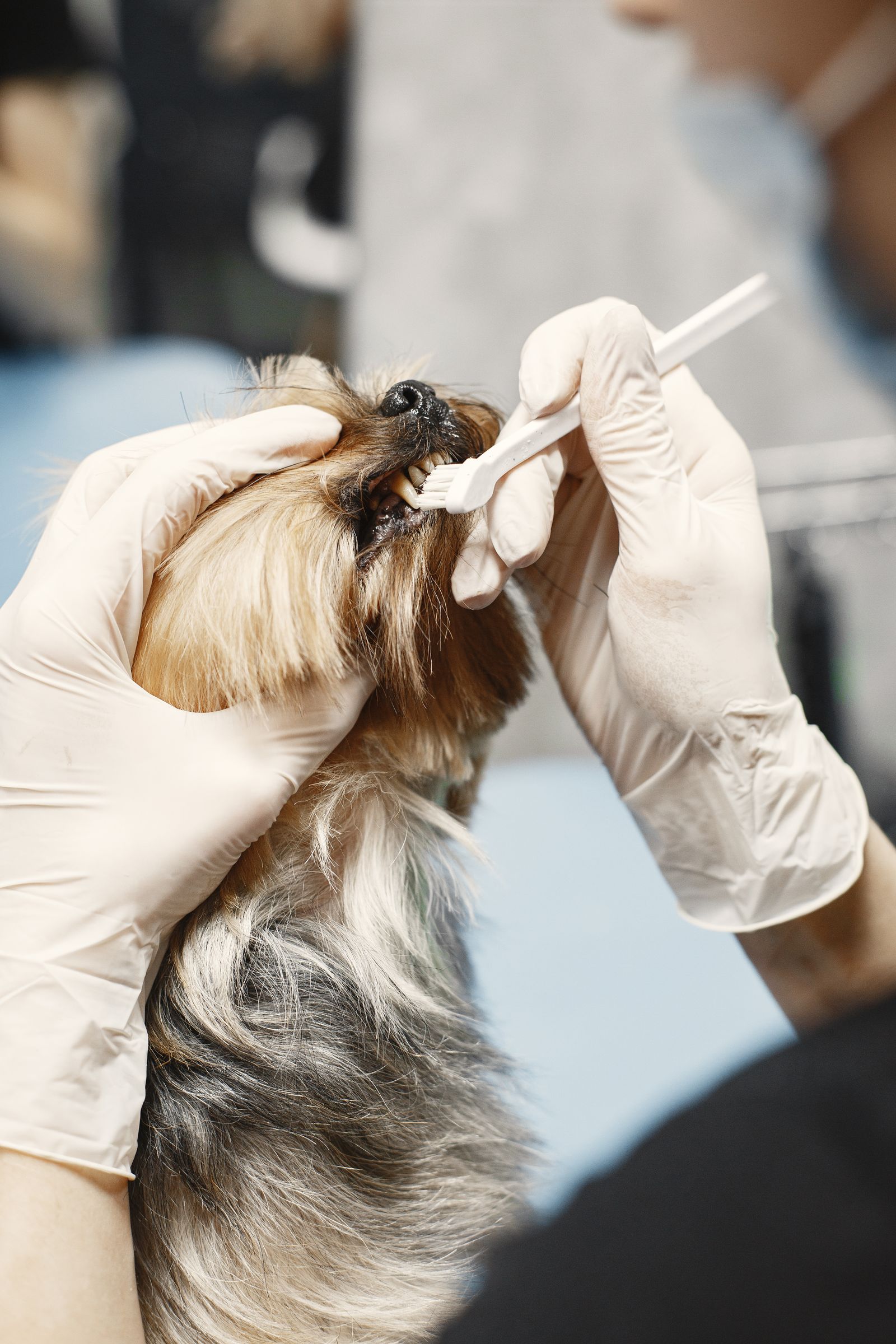
The good news is that dental disease is almost entirely preventable, and the prevention takes about 2 minutes a day. Brushing a dog's teeth is not like brushing a human's — you only need to clean the outside surfaces, your dog does not need to rinse, and most dogs learn to tolerate it within two weeks if you introduce it the right way. This guide gives you the exact routine, the tools that actually work, what to do if your dog hates the toothbrush, and when home care is not enough.

The Short Answer
Clean your dog's teeth by brushing the outside surfaces only, with a dog toothbrush or finger brush and enzymatic dog toothpaste, for about 2 minutes, ideally every day and at least 3 times a week. Never use human toothpaste — the xylitol in many brands is toxic to dogs. Start with a week of letting your dog lick toothpaste off your finger, then graduate to the brush. Add dental chews and a professional cleaning every 1 to 2 years for complete care. The whole home setup costs about $15 to $25.
What You Need (and What It Costs)
You do not need a fancy kit. Here is the complete setup:
- Enzymatic dog toothpaste ($8–$15 a tube): the enzymes keep working after you stop brushing, which matters because no dog lets you brush perfectly. Poultry, beef, and peanut butter flavors exist — let your dog pick by offering a taste first. Look for the Veterinary Oral Health Council (VOHC) seal on the packaging. Never use human toothpaste. Most human toothpaste contains fluoride and often xylitol, which is poisonous to dogs and can cause liver failure.
- A dog toothbrush ($5–$10): a long-handled brush with a small head, angled to reach the back molars. For small dogs or nervous dogs, a finger brush ($4–$8) — a rubber sleeve that fits over your fingertip — gives you more control and feels less threatening.
- Dental chews ($15–$30 a month): look for the VOHC seal here too. Greenies, Whimzees, and OraVet are the most widely recommended. A daily chew reduces plaque by about 25 percent on its own, but it is a supplement to brushing, not a replacement.
- A water additive ($10–$15 a bottle, optional): an enzymatic additive in the water bowl helps reduce bacteria for dogs that absolutely will not tolerate brushing. It helps, but it is the weakest option on this list.
The 2-Week Introduction Plan
Most dogs that "hate" toothbrushing were introduced to it wrong — someone jammed a brush into a nervous dog's mouth on day one. Dogs accept new routines gradually. Follow this plan and almost any dog will cooperate by day 14.
Days 1–3: Taste only. Put a pea-sized dab of dog toothpaste on your finger and let your dog lick it off. Do this once a day, after a meal, when the dog is relaxed. Praise calmly. That is all.
Days 4–6: Lift the lip. After the dog licks the toothpaste, gently lift the upper lip on one side with your free hand and rub the toothpaste along the outside of the teeth with your fingertip. Ten seconds. Stop while the dog is still calm.
Days 7–9: Introduce the brush. Let the dog sniff and lick the toothbrush, then brush 3 or 4 teeth on one side for 10 seconds. Use slow, small circles along the gumline. End with a treat every time.
Days 10–14: Build up to a full brushing. Add a few more teeth each day until you can do the whole outside of both upper and lower teeth in about 2 minutes. If the dog pulls away, go back a step for two days — never force it.
After day 14: Make it a habit. Brush at the same time every day, ideally after the evening meal. Dogs learn routines fast, and a dog that expects the toothbrush at 7 p.m. stops fighting it.
The Brushing Technique (Step by Step)
Once your dog accepts the brush, here is the actual technique. It is simpler than most guides make it sound.
1. Brush the outside only. Dogs do not get cavities on the inside surfaces the way humans do, and their tongues naturally clean the inner side of their teeth. The plaque that matters builds up on the outside surfaces, along the gumline — especially the big back molars (the carnassial teeth) and the canine teeth. Those back molars are where tartar builds fastest, so spend most of your time there.
2. Angle the brush at 45 degrees. Hold the brush so the bristles point toward the gumline at roughly a 45-degree angle, and use small, gentle circles. You are cleaning the tiny pocket where the tooth meets the gum — that is where the bacteria live.
3. Do not press hard. If the gums bleed a little during the first week, that is usually gingivitis, and it should improve within 7 to 10 days of regular brushing. If bleeding continues after two weeks, or the gums are bright red and swollen, see your vet — the dog may need a professional cleaning first.
4. Two minutes is enough. Thirty seconds per side, top and bottom. You do not need to brush every tooth perfectly. Consistency beats perfection: brushing 3 times a week keeps plaque under control, and daily brushing is the gold standard.
5. Always end with something good. A treat, a short game, a walk — something that makes the dog think toothbrushing is the thing that happens right before something fun.
What If My Dog Won't Let Me Brush?
Some dogs genuinely will not accept a brush, no matter how patient you are. That does not mean you give up on dental care — it means you use the next-best tools.
Dental chews (VOHC-approved): a daily chew is the single best alternative. The chewing action scrapes plaque mechanically, and the best products reduce tartar by 30 to 40 percent. Cost: about $0.50 to $1 a day. Avoid hard chews like antlers and real bones — veterinary dentists call them "fracture factories" because they crack teeth, and a cracked tooth costs $500 to $1,500 to fix.
Dental diets: prescription dental kibble (Hill's t/d, about $80–$100 for a large bag) is engineered to scrub the teeth as the dog chews. It works, but it is expensive and usually requires a vet's approval.
Water additives and dental wipes: better than nothing, and useful as a backup on days you cannot brush. A wipe rubbed along the gumline takes 30 seconds and removes some plaque — not as good as a brush, but far better than skipping entirely.
Finger brushing instead of a brush: many dogs that hate a toothbrush accept a finger brush, because it feels like being petted. If nothing else works, a gauze pad wrapped around your finger with enzymatic toothpaste still removes a meaningful amount of plaque.
When Home Care Is Not Enough: Professional Cleaning
Even with perfect home brushing, most dogs need a professional dental cleaning every 1 to 2 years. Brushing removes soft plaque; only a vet can remove hardened tartar, clean below the gumline, and take X-rays to check the tooth roots.
What a professional cleaning costs in the US in 2026:
| Item | Typical cost |
|---|---|
| Cleaning under anesthesia (small dog) | $300–$500 |
| Cleaning under anesthesia (large dog) | $500–$800 |
| Pre-anesthetic bloodwork | $75–$150 |
| Tooth extraction (per tooth) | $100–$300 |
| Dental X-rays | $75–$200 |
Why anesthesia? A dog cannot hold still for a scaler under the gumline, and "anesthesia-free" cleanings — offered by some groomers for $100–$200 — only scrape the visible tartar off the tooth surface. They cannot clean below the gumline, where the disease actually lives, and most veterinary dentists consider them cosmetic at best and misleading at worst. If your vet recommends anesthesia, ask about the safety protocol: pre-anesthetic bloodwork, IV fluids, and monitoring are standard at any reputable clinic.
Signs your dog needs a cleaning now, not later:
- Breath that smells rotten or metallic, not just "doggy"
- Yellow-brown tartar you can see on the back teeth
- Red, swollen, or bleeding gums
- Pawing at the mouth, dropping food, or chewing on one side
- A loose tooth, or a tooth with a visible crack or hole
How Much Does Dog Dental Care Cost Per Year?
| Item | Annual cost |
|---|---|
| Toothpaste (2–3 tubes) | $20–$40 |
| Toothbrushes / finger brushes | $10–$20 |
| Dental chews (daily) | $180–$360 |
| Professional cleaning (amortized, every 18 months) | $200–$550 |
| Typical total | $410–$970 |
That range is wide because the cleaning dominates it. The math is simple: a dog that gets brushed daily and gets a cleaning every two years costs far less over its lifetime than a dog that never gets brushed and needs multiple extractions at age 9. Pet insurance sometimes covers dental disease — check whether your policy covers periodontal treatment or only accidents, because many plans exclude dental entirely.
5 Mistakes That Ruin Your Dog's Teeth
1. Using human toothpaste. Xylitol is toxic to dogs, and fluoride in the amounts a dog swallows is unsafe. Dog toothpaste is designed to be swallowed. Human toothpaste is not.
2. Giving hard chews. Antlers, real bones, and hard nylon bones crack teeth. The rule veterinary dentists use: if you cannot dent it with your thumbnail, it is too hard for your dog's teeth.
3. Only brushing the front teeth. The front teeth look clean because the dog uses them the least. The back molars do the chewing, and that is where tartar builds. Always spend the most time on the back teeth.
4. Waiting until the breath smells terrible. By the time the breath smells rotten, the disease is advanced. Tartar you can see is already months old. Start brushing while the teeth still look white.
5. Skipping the vet because the teeth "look fine." Most dental disease hides below the gumline, invisible without X-rays. A dog can have a rotten tooth root and a perfectly white crown. That is why the vet check matters even when the teeth look fine.
Frequently Asked Questions
How often should I brush my dog's teeth? Daily is ideal. Three times a week is the minimum that actually controls plaque. Once a week or less is better than nothing, but it will not prevent tartar buildup on its own — you will still need professional cleanings more often.
Can I use baking soda or coconut oil instead of dog toothpaste? Baking soda is too abrasive and too salty for regular use, and it tastes terrible to dogs. Coconut oil has mild antibacterial properties but no enzymes and no VOHC approval. Enzymatic dog toothpaste costs $8–$15 and works better than either — there is no reason to improvise.
My dog's gums bleed when I brush. Should I stop? No — bleeding in the first week usually means mild gingivitis, and brushing is the treatment. Be gentler, use a soft brush, and keep going. If bleeding continues after two weeks of regular brushing, or the gums are very red and swollen, see your vet.
Are dental chews enough on their own? No. The best chews reduce plaque by about 25 percent; brushing reduces it by about 70 percent. Chews are a good supplement and a good backup, but they are not a replacement for brushing.
At what age should I start brushing my puppy's teeth? As soon as the puppy comes home, around 8 weeks — even before the adult teeth arrive. Puppies that learn to accept toothbrushing early never fight it as adults. Start with the taste-only step and build up slowly, the same as with an adult dog.
The Bottom Line
Cleaning your dog's teeth at home is one of the highest-return habits in all of dog care: 2 minutes a day, about $25 in supplies, and it prevents the disease that affects 80 percent of dogs by age 3. Start with a week of toothpaste tastes, graduate to a brush, focus on the outside of the back molars, and never use human toothpaste. Add a daily VOHC-approved chew and a professional cleaning every 1 to 2 years, and your dog's mouth will stay healthy for its whole life.
Your dog cannot tell you its teeth hurt. By the time a dog stops eating because of dental pain, the damage is severe and the bill is large. Two minutes a day is a small price to make sure that day never comes.


Comments
Post a Comment